THE EMPTY DESK PROJECT
Why Inclusive Education Cannot Wait: An Open Appeal to Rt. Hon. Tajudeen Abbas and Nigeria’s Lawmakers
A RESEARCH PAPER PROJECT WRITTEN IN PARTIAL FULFILMENT OF THE YOUTH ACTIVATORS LAB COHORT 1 OF THE NIGERIAN YOUTH SDGs
By
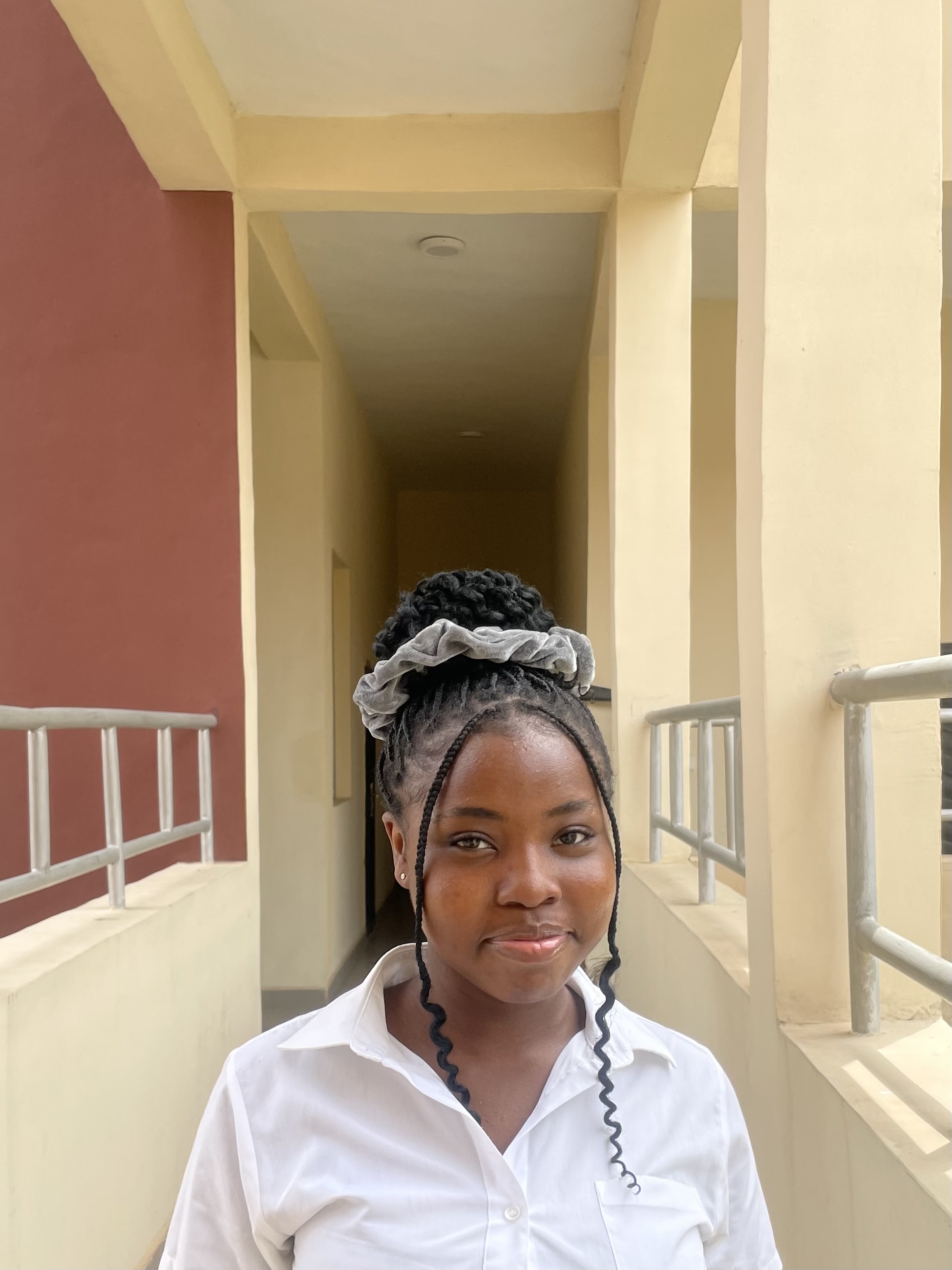
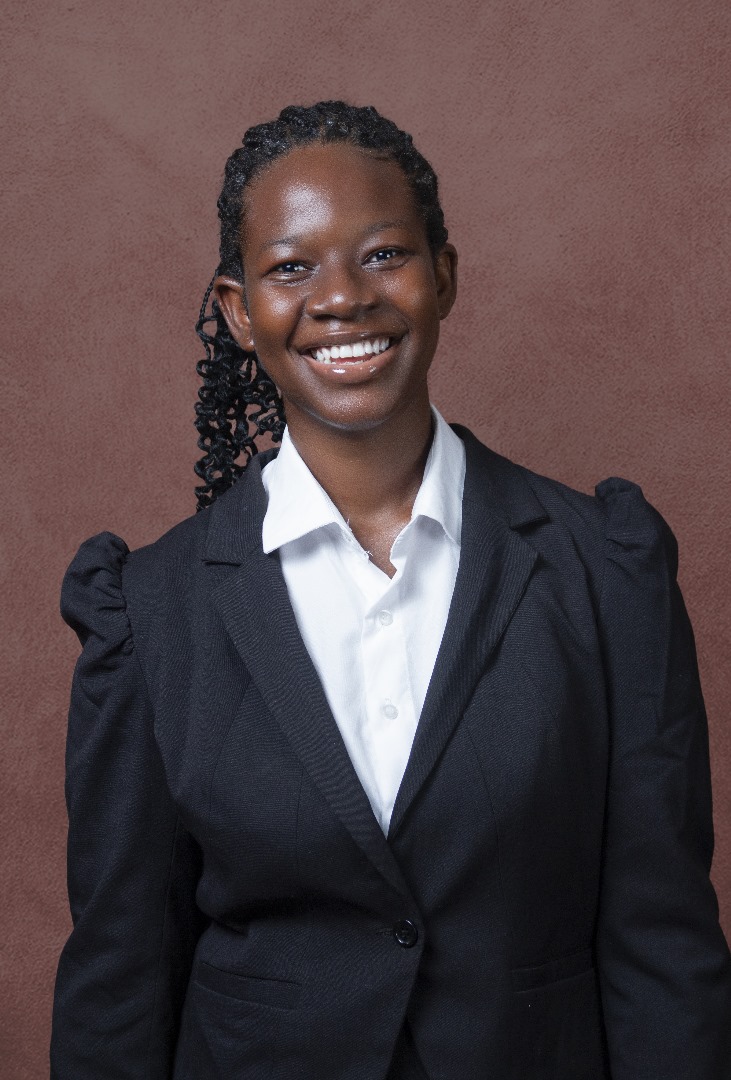
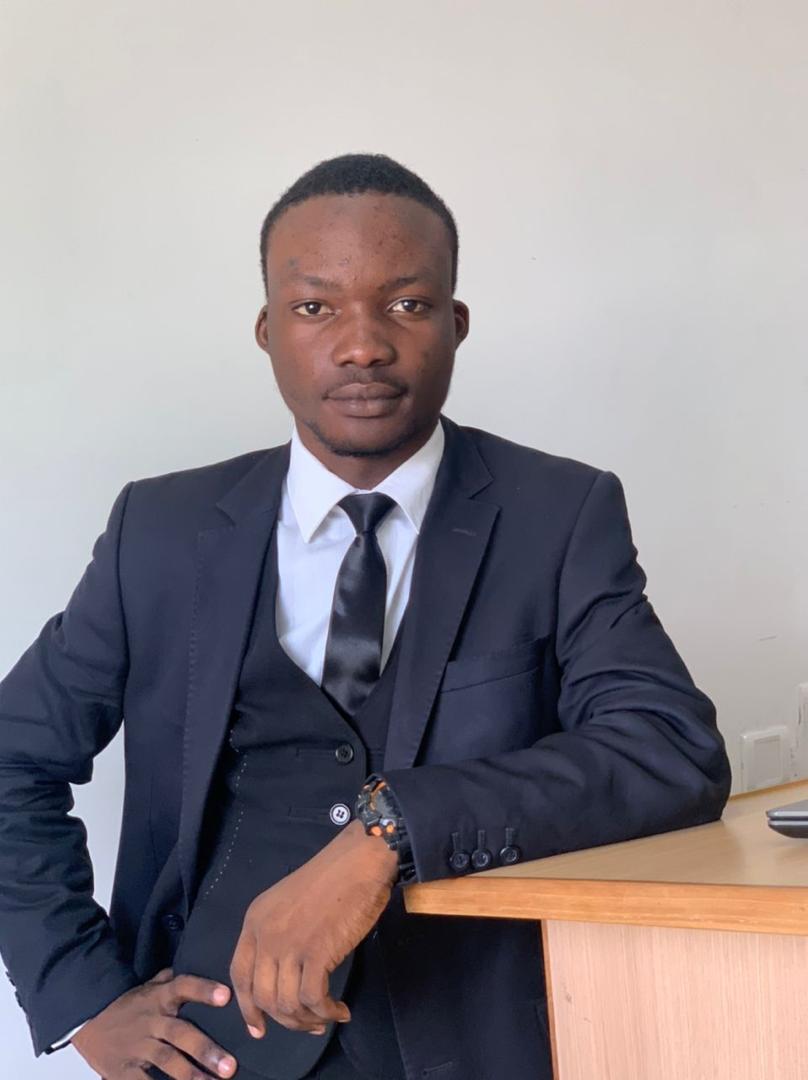
Frank C. Okike
Associate, Nigerian Youth SDGs, YAL
Phone: +2348108176025; Email: frankokike1@gmail.com
“The true test of a nation is not how it treats the powerful, but how it designs life for those most easily forgotten."
Abstract
Inclusive education is a cornerstone of equitable development and a legal obligation under both domestic and international human rights frameworks. Yet in Nigeria, children with disabilities continue to face systemic exclusion from formal education due to structural, social, and institutional barriers. Despite constitutional guarantees, statutory protections such as the Discrimination against Persons with Disabilities (Prohibition) Act 2018, and Nigeria’s commitments under international instruments including the United Nations Convention on the Rights of Persons with Disabilities (CRPD), implementation remains weak and inconsistent.
This paper interrogates the gap between law and lived reality through the metaphor of “the empty desk”. A symbolic representation of children excluded from classrooms not by choice but by systemic failure. It argues that inclusive education is not an act of benevolence but a binding legal and developmental obligation. The article further calls on Rt. Hon. Tajudeen Abbas and the Nigerian House of Representatives to strengthen legislative oversight, accountability mechanisms, and budgetary commitments toward inclusive education in Nigeria.
1.0 Introduction: The Child Who Never Arrived
Rt. Hon. Tajudeen Abbas,
Before another legislative debate begins in the National Assembly, it is important to pause and imagine a place far removed from the chambers of power; a public classroom somewhere in Nigeria. The school bell rings in the morning, as it always does. Children gather in clusters outside the gate, some rushing in excitement, others adjusting their uniforms, and a few still negotiating the slow transition from home to school. Inside the classroom, the teacher prepares notes for the day’s lesson. Attendance is taken. The school day begins in the familiar rhythm of educational life. Yet, in that same classroom, something subtle but deeply significant is missing.
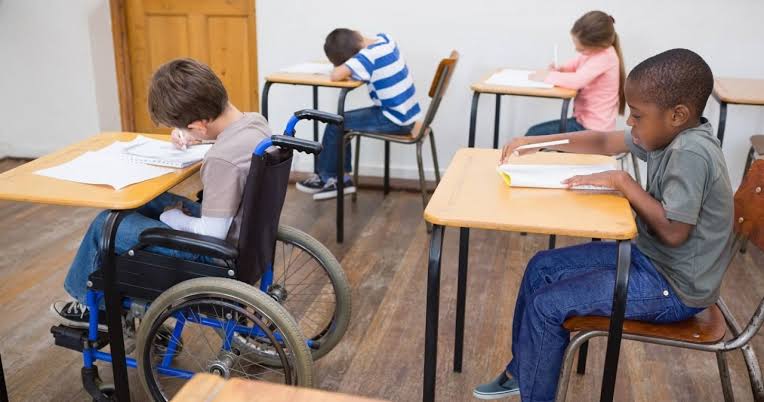
A desk remains empty. Not because the child is late. Not because the child is sick. Not because the child has changed schools. But because the child was never able to arrive in the first place. Perhaps the school building was never designed to accommodate a wheelchair user. Perhaps learning materials were never adapted for visual or hearing impairments. Perhaps the school environment is shaped by attitudes that quietly exclude rather than include. Or perhaps the child’s family was never informed that education is a right, not a privilege. That empty desk therefore becomes more than a piece of furniture. It becomes a symbol of exclusion, silence, and unfulfilled constitutional promise.
Across Nigeria, thousands of children with disabilities experience this form of structural absence daily. They are not absent because they do not exist, but because systems have not been designed with them in mind. This is where the crisis of inclusion begins. Not at the point of learning, but at the point of access.
2.0 When Rights Exist Only On Paper
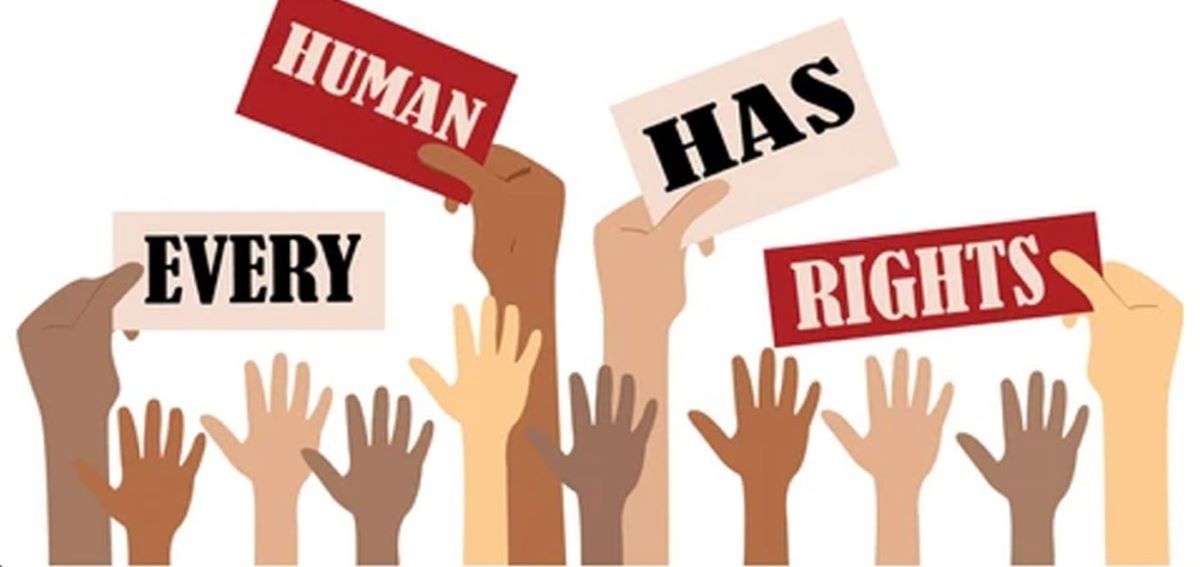
Nigeria is not lacking in legal and policy frameworks addressing education and disability rights. The Constitution of the Federal Republic of Nigeria establishes education as an objective of state policy, directing government efforts toward ensuring equal and adequate educational opportunities for all citizens. The Child Rights Act further affirms the right of every child to free, compulsory, and universal basic education. More significantly, Nigeria enacted the Discrimination against Persons with Disabilities (Prohibition) Act 2018, which prohibits discrimination against persons with disabilities and mandates accessibility in public buildings, including educational institutions. Nigeria is also a State Party to the United Nations Convention on the Rights of Persons with Disabilities (CRPD), which obligates governments to ensure inclusive education systems at all levels. However, the existence of law does not guarantee the presence of justice. In practice, the implementation of these legal instruments remains uneven and, in many instances, ineffective. Numerous schools across Nigeria continue to operate without ramps, accessible toilets, assistive learning technologies, or trained special education personnel. For many learners with disabilities, education is not denied in principle but in practice.
This disconnect between legal obligation and practical reality reflects a deeper governance challenge: the absence of enforcement, monitoring, and accountability mechanisms capable of translating rights into lived experiences. It is therefore not enough to ask whether Nigeria has laws on inclusive education. The more important question is whether those laws are producing measurable outcomes in classrooms across the country. Until legal rights become practical realities, the promise of inclusive education remains incomplete.
3.0 The Most Expensive Resource Nigeria Continues To Lose
Every nation is ultimately shaped not by its natural resources but by the quality of its human capital. Education is the primary mechanism through which this capital is developed, refined, and deployed for national development. Yet Nigeria continues to lose a significant portion of this potential through educational exclusion. When a child with a disability is denied access to quality education, the loss is not limited to that individual. It extends to society as a whole. The country loses potential doctors, engineers, lawyers, teachers, innovators, and public servants whose contributions might have transformed national development trajectories.
International evidence consistently demonstrates that inclusive education improves long-term economic outcomes, increases employment opportunities for persons with disabilities, and reduces dependency cycles associated with exclusion. Conversely, exclusion perpetuates poverty, inequality, and reduced productivity. UNESCO has repeatedly emphasized that learners with disabilities are among the most marginalized groups in global education systems. UNICEF similarly reports that children with disabilities are significantly less likely to attend school or complete basic education compared to their peers without disabilities.
The economic implication is clear: exclusion is costly. Not only in moral terms, but in measurable developmental losses. Every empty desk therefore represents more than absence. It represents unrealized national potential.
4.0 Development Cannot Advance While Inclusion Lags Behind
The global development agenda, particularly the Sustainable Development Goals (SDGs), is grounded in the principle of “Leave No One Behind.” SDG 4 specifically commits States to ensuring inclusive and equitable quality education for all. However, the implementation of this principle requires more than policy declarations. It requires structural transformation of education systems to accommodate diversity in learning needs.
In Nigeria, however, inclusion remains largely peripheral in educational planning. Infrastructure development frequently overlooks accessibility standards. Teacher training institutions often provide limited exposure to inclusive pedagogies. Budgetary allocations rarely prioritize disability-specific educational needs. The result is a system where inclusion is rhetorically endorsed but operationally weak. Development, in this context, becomes uneven. Some learners benefit from expanding educational opportunities, while others remain excluded from the system entirely. Such a system cannot be described as fully developed. True development is only achieved when access is universal and participation is inclusive.
5.0 Mr. Speaker, Leadership Is a Question of Priority
Rt. Hon. Tajudeen Abbas occupies one of the most influential legislative positions in Nigeria. The Speaker of the House of Representatives plays a critical role in shaping legislative priorities, influencing policy discourse, and ensuring executive accountability. Within the context of inclusive education, this role becomes particularly significant. The House of Representatives has the constitutional authority to conduct oversight over the implementation of federal laws, including disability-related legislation. It also plays a central role in approving budgets that determine whether inclusive education policies are funded or neglected.
Despite these powers, implementation gaps persist. Legislation exists, policies exist, and commitments exist. Yet outcomes remain limited. This raises an important question about legislative responsibility: how can existing laws be strengthened to ensure compliance, enforcement, and measurable impact? Leadership in this context is not merely about passing laws. It is about ensuring that laws work for the people they are intended to serve.
6.0 Beyond Sympathy: Redefining Inclusive Education as Rights-Based Justice
One of the most persistent challenges in disability discourse is the tendency to frame inclusion within the language of sympathy or charity. This framing, while emotionally appealing, is structurally weak because it does not create enforceable obligations. Inclusive education must instead be understood as a rights-based obligation.
This requires systemic transformation across multiple levels. Teachers must be trained in inclusive pedagogical methods. Schools must be redesigned to ensure physical accessibility. Learning materials must be adapted to different learning needs. Assistive technologies must be made available and affordable. Importantly, persons with disabilities must be meaningfully involved in policy development processes affecting their education. Nothing about them without them. Only through such an approach can inclusion move from aspiration to implementation.
7.0 The Question Every Empty Desk Continues To Ask
Somewhere in Nigeria today, a child is preparing for school. That child has hopes, ambitions, and dreams that are no different from any other child. Yet the pathway to those dreams is obstructed by barriers that should not exist in a just society. The empty desk therefore becomes a question directed at all stakeholders in the education system.
It asks whether inclusion is truly a priority or merely a policy statement? It asks whether legal commitments are meant to transform lives or simply decorate official documents? It asks whether Nigeria is prepared to build an education system that accommodates all learners or only those who fit within existing structures? Until these questions are answered meaningfully, the empty desk will remain a silent reminder of unfinished responsibility.
8.0 Conclusion: Until Every Desk is Occupied
Nigeria’s educational future cannot be measured solely by enrolment statistics or policy documents. It must be measured by inclusion. A truly developed education system is one in which no child is excluded because of disability, circumstance, or systemic neglect. Until every child in Nigeria has meaningful access to education, the promise of equality remains incomplete. And until every desk is occupied by a child who belongs there, the work of nation-building remains unfinished. The empty desk is not just a symbol. It is a responsibility. And it is one Nigeria can no longer afford to ignore.
Mr. Speaker as I draw the curtains, I will bow out of this hallowed green chambers with the eternal words of R. Kelly which says thus; Alone we can do so little, together we can do so much.
Yours Sincerely,
Frank C. Okike
BIBLIOGRAPHY
UNESCO, Global Education Monitoring Report 2020: Inclusion and Education – All Means All (UNESCO 2020) https://unesdoc.unesco.org/ark:/48223/pf0000373718 accessed 8 June 2026.
Constitution of the Federal Republic of Nigeria 1999 (as amended) s 18. See also African Charter on Human and Peoples’ Rights 1981 arts 17–18.
Child Rights Act 2003 ss 15–17.
United Nations Convention on the Rights of Persons with Disabilities (2006) art 24 https://www.un.org/disabilities/documents/convention/convention_accessible_pdf.pdf accessed 7 June 2026.
Federal Ministry of Education, National Policy on Inclusive Education in Nigeria (2017).
World Bank, Disability Inclusion Overview https://www.worldbank.org/en/topic/disability accessed 7 June 2026.
UNESCO (n 1).
UNICEF, Children with Disabilities Report (2021) https://www.unicef.org/reports/children-with-disabilities-report-2021 accessed 7 June 2026.
United Nations General Assembly, Transforming Our World: The 2030 Agenda for Sustainable Development UNGA Res 70/1 (2015) https://sdgs.un.org/2030agenda accessed 8 June 2026.
UN DESA, Disability and Development Report (2018) https://social.desa.un.org/publications/disability-and-development-report-realizing-sdgs-persons-disabilities accessed 8 June 2026.